
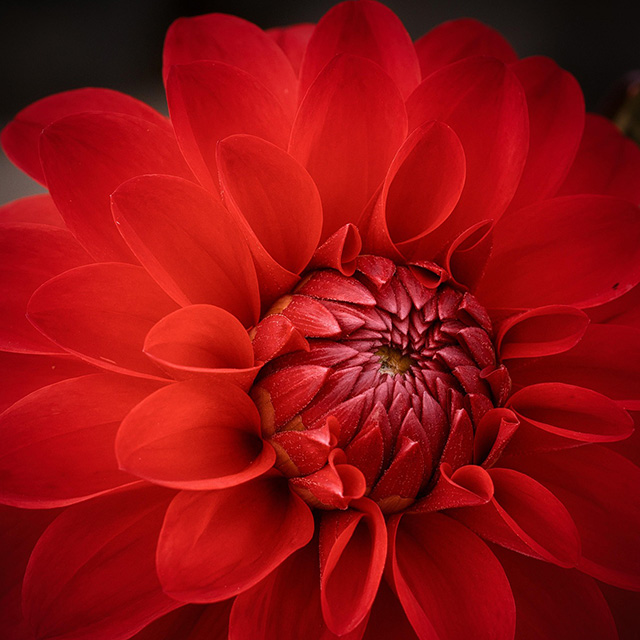
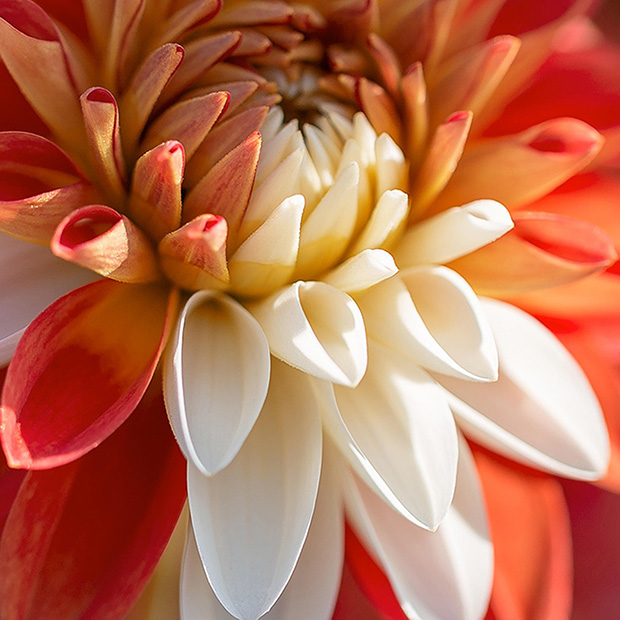
Dahlias – A Kaleidoscope of Colors
J O A N N M I L L E R
Kaleidoscope: An optical instrument in which bits of glass, held loosely at the end of a rotating tube, are shown in continually changing symmetrical forms by reflection in two or more mirrors set at angles to each other.
The kaleidoscope metaphor generally represents the idea of a constantly changing, multifaceted, and complex pattern or reality. It suggests that something is intricate, vibrant, and ever-shifting, like the patterns within a kaleidoscope itself with each turn or change revealing new patterns and possibilities.
Like the Kaleidoscope, Dahlias come in many colors, blends, and patterns. But what causes this vast array of colors in the world of Dahlias? There are several factors involved, with anthocyanins and flavonoids being the key components in deciding the final color composition.
Plants get their colors from pigments, which are molecules that selectively absorb or reflect certain wavelengths of light. These reflected wavelengths of light are the colors we see when looking at different plants and flowers.
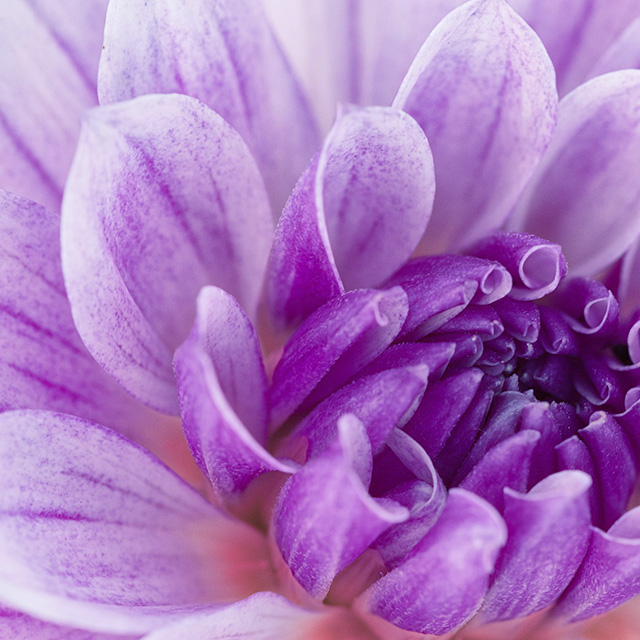
Anthocyanins are a class of plant pigments that gives us the reds, purples, blues and pinks found in Dahlias.
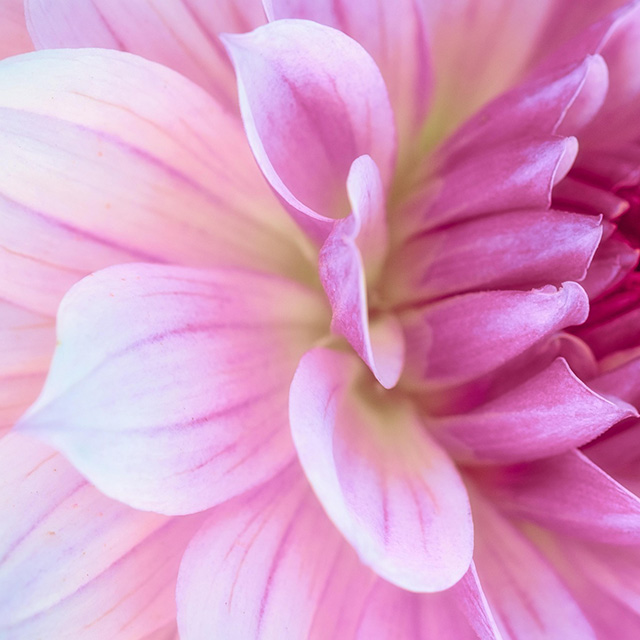
Anthocyanins are a class of plant pigments that gives us the reds, purples, blues and pinks found in Dahlias.
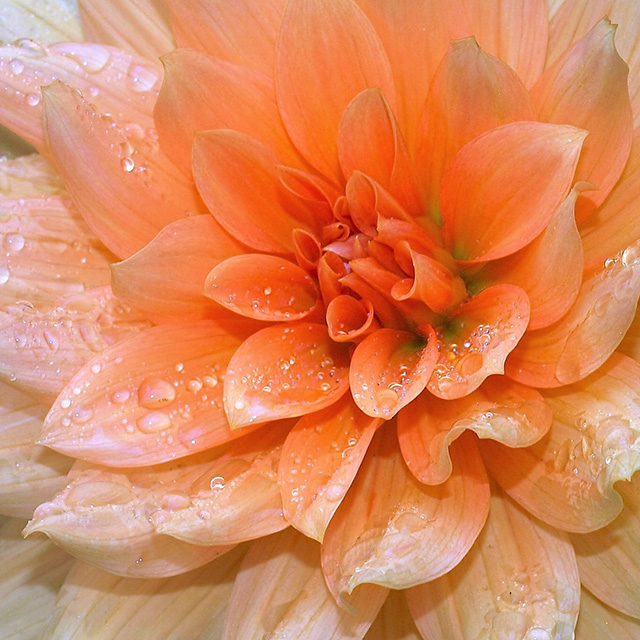
Cartenoids are a class of plant pigments that give us yellows, orange and reds.
Plant pigments are mainly categorized into four different types:
- Cholorphyll: Absorbs red and blue wavelengths and reflect green, the green we see in plants
- Cartenoids: Absorbs primarily blue wavelengths giving us the yellows, orange, and reds
- Betalains: Replaces anthocyanins in some plants, like cacti, to give the red to red-violet colors
- Anthocyanins: Creates the reds, purples, blues, and pinks we love so much
Anthocyanins belong to the parent class of molecules called flavonoids. They are water-soluble vacuolar flavonoid pigments that impart a wide range of colors and shades in flowers, fruits and tubers and is the most important pigment for flower coloration. Scientists have discovered over 9000 different flavonoids. The specific color depends on the type of anthocyanidin present, its structure, and other factors like temperature, light, oxygen, certain minerals such as iron or magnesium and ph. In acidic conditions it appears as a red pigment and blue in alkaline conditions
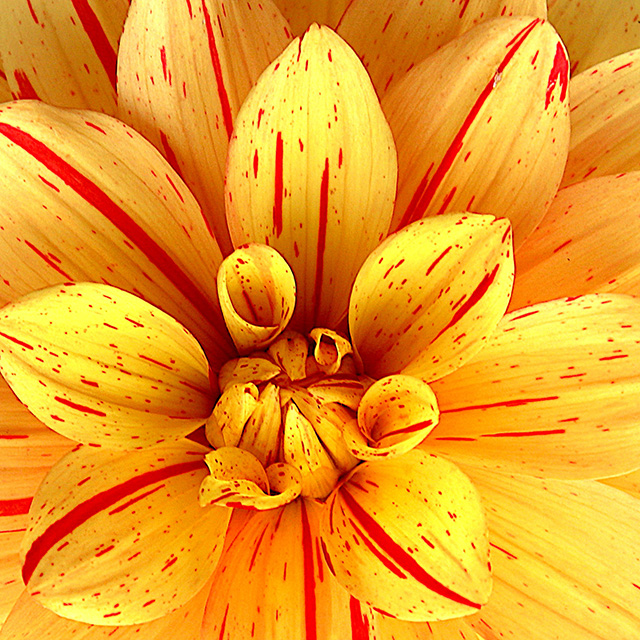
The pigment class cartenoids produces yellows, orange, and reds
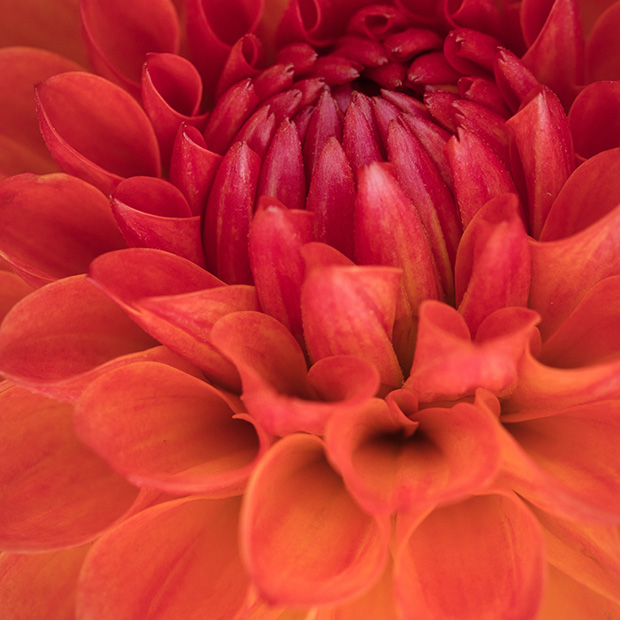
The anthocyanidin Pelargonidin produces scarlet or reddish hues
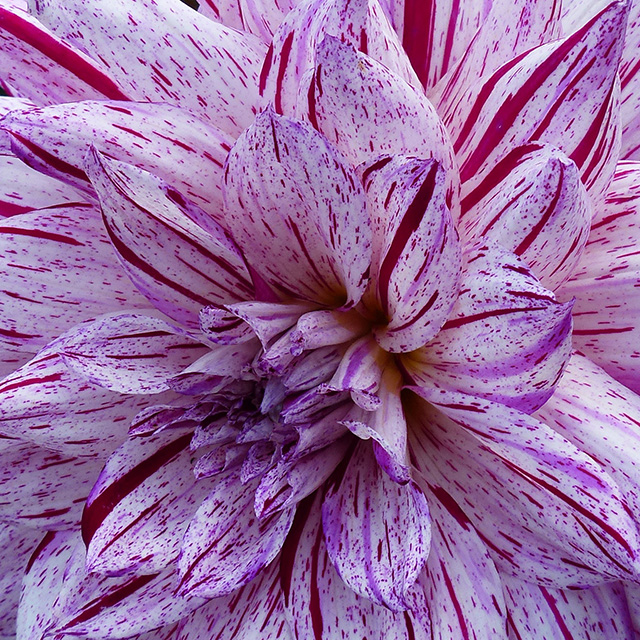
The anthocyanidin Cyanidin produces magenta or red-purple colors
There are Six anthocyanidins common in nature: pelargonidin, cyanidin, peonidin, delphinidin, petunidin, and malvidin.
- Pelargonidin: Produces scarlet or reddish hues.
- Cyanidin: Results in magenta or red-purple colors.
- Delphinidin: Contributes to blue or mauve hues.
- Peonidin, Petunidin, and Malvidin: Contribute to magenta, dark red, and purple shades, respective
Just as a painter will mix colors to create a unique hue, the color of many flowers is the result of a combination of pigments in different proportions. This is what creates the color gradients and patterns we see within each flower.
A good example of this is the coloration of roses and blue cornflower. The colors of both flowers are caused by the same anthocyanin, the red and the blue. In a 2005 study, published in Nature, they found that the blue color is not just the result of the anthocyanins themselves, but of how they interact with other molecules. Specifically, the blue color arises from a complex of six anthocyanin and flavone molecules, along with one ferric iron, one magnesium, and two calcium ions. The arrangement of these metal ions within the molecule is what gives the cornflower its unique blue color.
It is amazing what Mother Nature can do with a paint brush or rather a few molecules and other ingredients. It will be interesting to see what color variances dahlia breeders come up with in the future as more knowledge is gained in how this molecular color structure works.
In the meantime, when you next find yourself in front of a beautiful bed of colorful dahlias or walking through the door of a dahlia show, make a circle with your thumb and forefinger, bring it up to your eye and imagine you are looking through a Kaleidoscope.
Photos collected from the public domain and processed by Aaron Greenwood. Sourses: Pixabay and Wikipedia.