
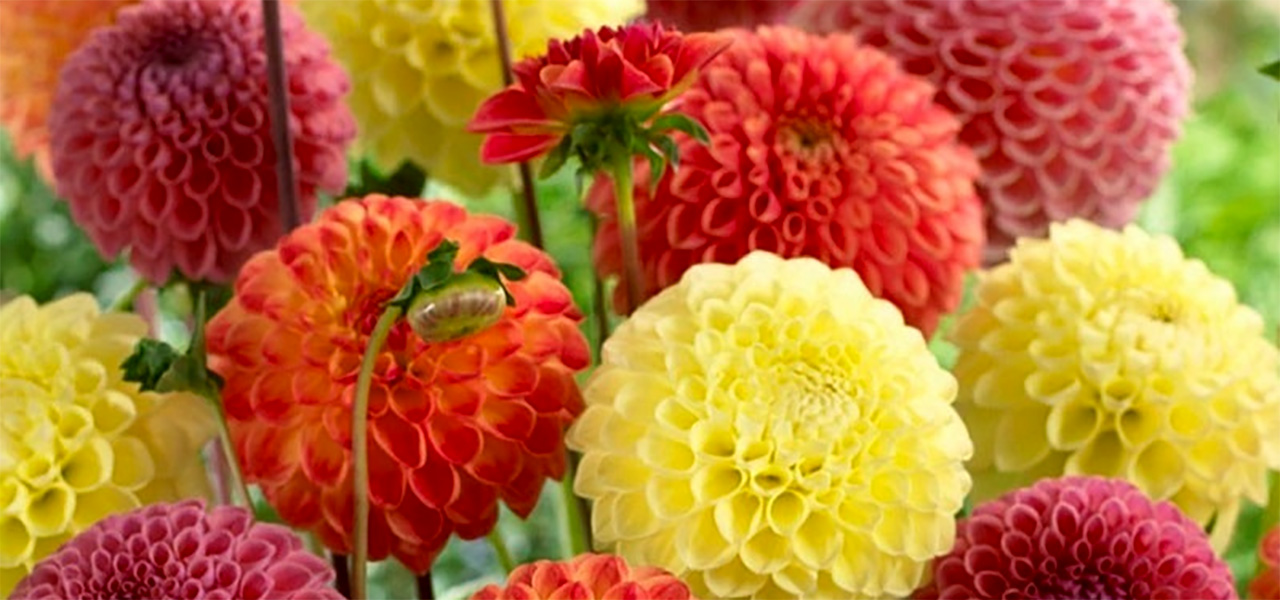
POMPOMS
J O A N N M I L L E R
The Pompom, as with all dahlias, originated in Mexico.

The Aztec temples served as crucial centers for religious, political, and cultural expression.
The Pompom, as with all dahlias, originated in Mexico, particularly in the Andes Mountain region.
The ancient Aztecs used wild-growing dahlias as a food source and would eat the tubers of the flowers. They called the dahlia “Acocotli” or “water cane” because they also used its tube-like stem to carry water. When botanists first brought dahlias to Europe in 1789, they classified the flowers as a vegetable. The tubers of the flowers are said to taste like potatoes, celery, and radishes. The flowers are also edible and have been used in salads and decorating wedding cakes.
The pompom dahlia was first hybridized in Germany in the 1850s by Johann Sieckmann. He is credited with introducing the first "lilliput" or pompon dahlias, which were later known as Lilliputian meaning very small in England. Sieckmann was a head gardener at the Reuß estate in Köstritz and specialized in hybridizing dahlias.
So where did the term pompom start?
The English word pompom came about in the 18th century from the French word pompon, referring to a small decorative ball made of fur, feathers, ribbon, wool or string. During the 18th century, military regiments across Europe caught site of the Hungarian cavalry and their tall, ornamental hats. These hats were called shakos, and on top of the shako sat a large, puffy pompom. The military style caught on across Europe, including in Napoleon's infantry where pompoms could be found adorning soldiers' hats. The color of the pompom on top of the hat signified which company the soldier belonged to.
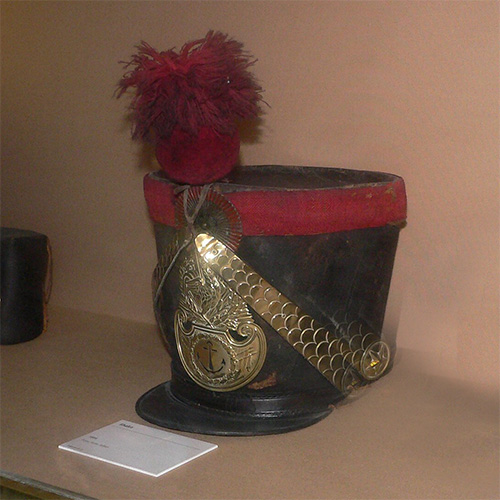
A French naval Shako (Probably Naval Infantry, around 1829)
Two more European hats to prominently feature pompoms are the Scottish Balmoral cap, dating back to the 16th century and the Tam o' Shanters cap. Some traditional South American garments for men and women also make use of pompoms to signal the marital status of the wearer. The pompom has also been used to denote status. Roman Catholic clergy have worn square-peaked biretta hats for centuries, with the color of the pompom denoting the position of the wearer in the clergy.
Pompoms are everywhere
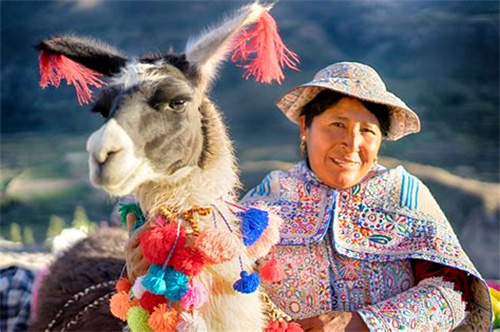
Llama adorned with tassels and pompoms in Peru, South America.
In 1904 a statue of the Viking god Freyr was found on a Swedish farm. The statue featured a tall hat or helmet with what appears to be a round pompom on top. That dates the oldest known use of the pompom to between 800–1066 CE.
Pompoms have beautiful small round blooms, hence their’ name, that are widely regarded as symbols of prosperity and success. They are said to enhance positive energy and help attract good fortune into one’s life. Some other symbolisms attached to it are love, commitment, loyalty, strong relationships, resilience, new beginnings and happiness.
During the Victorian era it had religious connotations, and eventually shifted to become a symbol of the loving bond between two people. Due to its round and full shape, it also signifies perfection, unity, and respect for the beauty of nature.
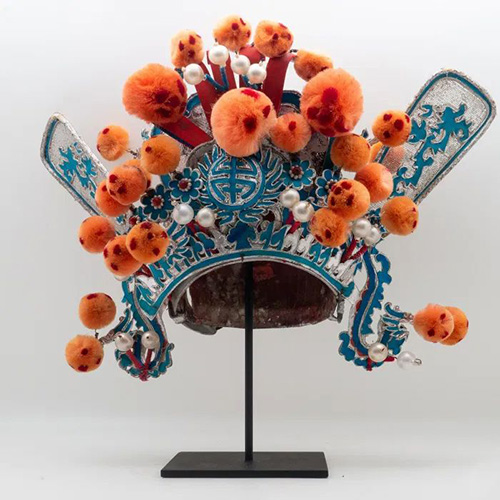
Chinese Opera Headdress
In China, the pompom is seen as a symbol of prosperity and wealth and is often gifted during the New Year or other important festivals to express good wishes.
The pompom comes in a variety of colors, including white, pink, yellow, and purple.
Below are some color representations.
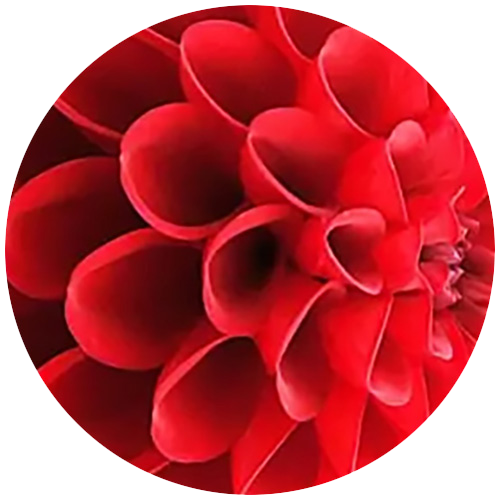
Dahlia Red Fox
Red sepresents deep love, passion and perseverance. commonly used in weddings.
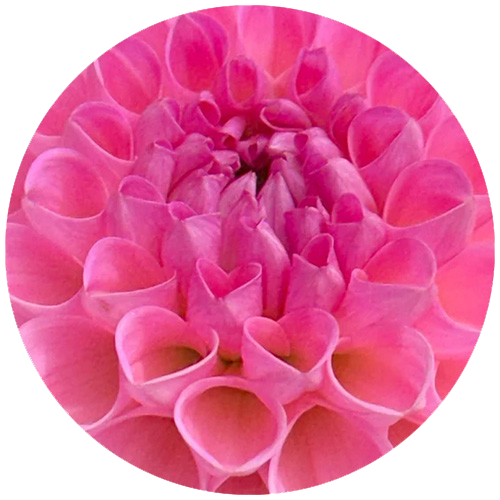
Dahlia Wizard of Oz
Pink symbolizes sweet love, romance, kindness and beauty. Often used on Valentine’s Day.
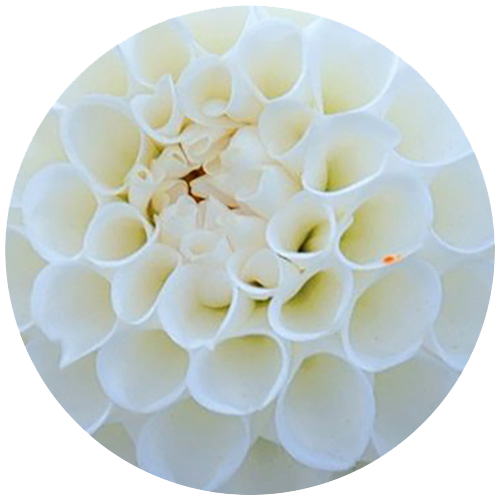
Dahlia Vilia Blanca
White represents purity, innocence and new birth, making it an excellent choice for weddings.
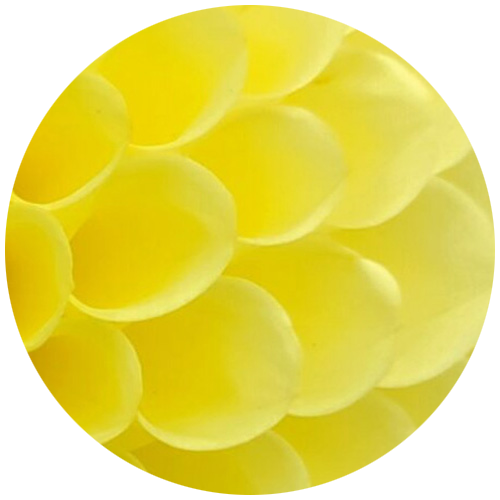
Dahlia Golden Torch
Yellow represents friendship and joy, great for celebrating happy occasions.
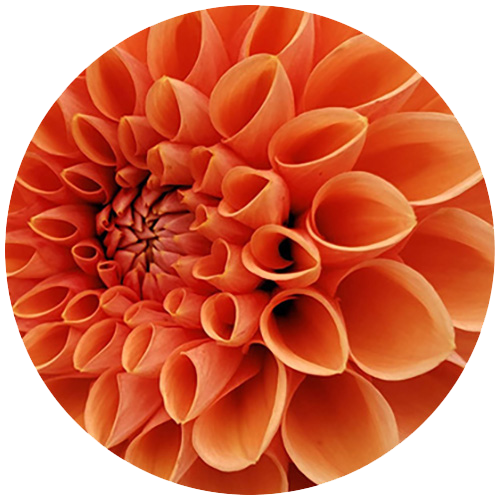
Dahlia Maarn
Orange reflects enthusiasm and joy, frequently used in celebrations to create a vibrant atmosphere.
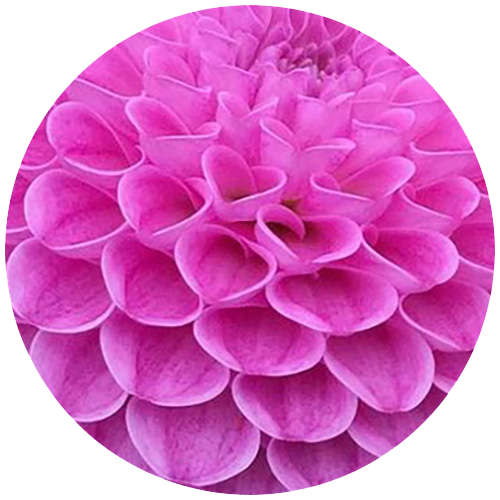
Dahlia Franz Kafka
Purple signifies mystery and complexity, making it a great choice for special occasions.
Overview
With its beautiful and unique round ball-like appearance, along with the various meanings and symbolisms, the pompom is increasingly being used in floral designs and interior decorations. Becoming widely recognized across regions worldwide, it is often chosen for weddings because of their beautiful round shape, symbolizing completeness and happiness. Its bright colors and charming appearance make it an excellent floral addition to birthday celebrations and house warmings.
If you’re not currently growing pompoms in your garden, maybe give it some consideration when you’re planting next springs tubers and enjoy the beauty they have to offer.
Referenses:
urbanflowers.com -- the-meaning-and-symbolism-of-pom-pom
greenmatters.com -- dahlia-flower-meaning
colorations.com -- the-colorful-history-of-the-pom-pom